Herbal Books I Use and Rely On
If you spend any time working with herbs, you quickly realize there’s a lot to learn and not all of it lines up. That’s where having a few solid books on hand makes a difference.
I don’t keep a huge collection. Just a handful that I actually use.
These aren’t books that sit on a shelf looking pretty. They’re the ones I pull down when I want to double-check something, learn a better way to prepare an herb, or make sure I’m using something safely. Some are more practical, walking through things like tinctures, oils, and salves step by step. Others go deeper into the herbs themselves, what they’ve been traditionally used for and how they’ve been prepared over time.
I don’t follow any one book word for word. Instead, I use them the way they were meant to be used, as guides. Something to learn from, compare, and build on with your own experience. Over time, you start to notice patterns. Certain herbs show up again and again for the same uses, and certain methods prove themselves through repeated use. That’s where confidence comes from, not from one source, but from steady learning.
If you’re building your own herbal knowledge, a few good books are worth having. Not for collecting, but for using.
When I first started learning about herbs, I leaned heavily on places like Mountain Rose Herbs and the Herbal Academy blog. I wanted information that was based on fact, not just opinions or hearsay. Mountain Rose Herbs offers a journal you can order, which includes information on herbs and oils along with recipes. I also took advantage of the free courses from Herbal Academy when they were available.
Once I felt like I had worked through the free material, I invested in the Herbal Academy’s Introductory Herbal Course and their Herbarium. If I had to recommend just one, the Herbarium is a wealth of information. That said, I also appreciate how the course is laid out and that I can go back and reference it anytime. I do plan to purchase the physical books that go along with the course in the future, if the internet ever goes down, I still want access to that information.
Along the way, I started asking for books as Christmas and birthday gifts so I could slowly build a collection to reference and compare.
A friend gave me Herbs and Old Time Remedies when she heard I was getting into herbs. One thing I appreciate about it is how easy it is to use. You can look up an ailment in the index and find the relevant pages quickly. When I’m in a bind, that helps me figure out what might work and what I already have on hand. It also lists herbs alphabetically, which makes it easy to look them up individually. It’s very straightforward—no fluff, just what the herb has traditionally been used for. The Native American Herbalist’s Bible is set up in a similar way, with sections on herbal history, individual herbs, and remedies by ailment.
Another go-to for me is Rosemary Gladstar’s beginner’s guide. It gave me a solid starting point—safe herbs to begin with, how to grow them, what they’re used for, and simple recipes. I also appreciate that it emphasizes safety and comes from a well-known herbalist I trust.
The Amish Ways book has a section with recipes, which is handy to have.
These are the books I tend to use together to get a well-rounded idea of what might work best for a situation. The remedies we find ourselves using over and over are the ones I make sure to keep stocked and ready.
I also keep a couple of essential oil books on hand. There are times when I don’t have the herb I need, but I do have the essential oil. Since essential oils are used in very small amounts and always diluted, I make a point to reference those books before using them to be sure I’m doing it safely.
The rest of the books I’ve picked up over time, and while they’re interesting to read through, they aren’t as easy to reference quickly as the ones I use most often.
If you’re looking to build your own collection without spending a fortune, I found most of my books through ThriftBooks and eBay.
‘Til next time, keep livin’ that farm fresh life!
~ Megan
👉 Curious how our homestead journey began? Read our story here.
Herbs are helpful, but they aren’t cure-alls.
This is based on traditional use and everyday experience, not medical advice. It’s always worth doing your own research and using good judgment.
**All content and information on this website including our programs, products and/or services is for informational and educational purposes only, does not constitute medical, psychological or health advice of any kind and we do not warrant that the information presented herein is free of any errors or omissions. We are not providing medical, health care, nutrition therapy or coaching services to diagnose, treat, prevent or cure any kind of physical ailment, mental or medical condition. A professional-client relationship with you is only formed after we have expressly entered into a written agreement with you that you have signed including our fee structure and other terms to work with you in a specific matter.
Although we strive to provide accurate general information, the information presented here is not a substitute for any kind of professional advice, and you should not rely solely on this information. Always consult a professional in the medical and health area for your particular needs and circumstances prior to making any medical or health related decisions. For your health related questions, please seek the advice of a licensed physician or any other qualified health care provider immediately.
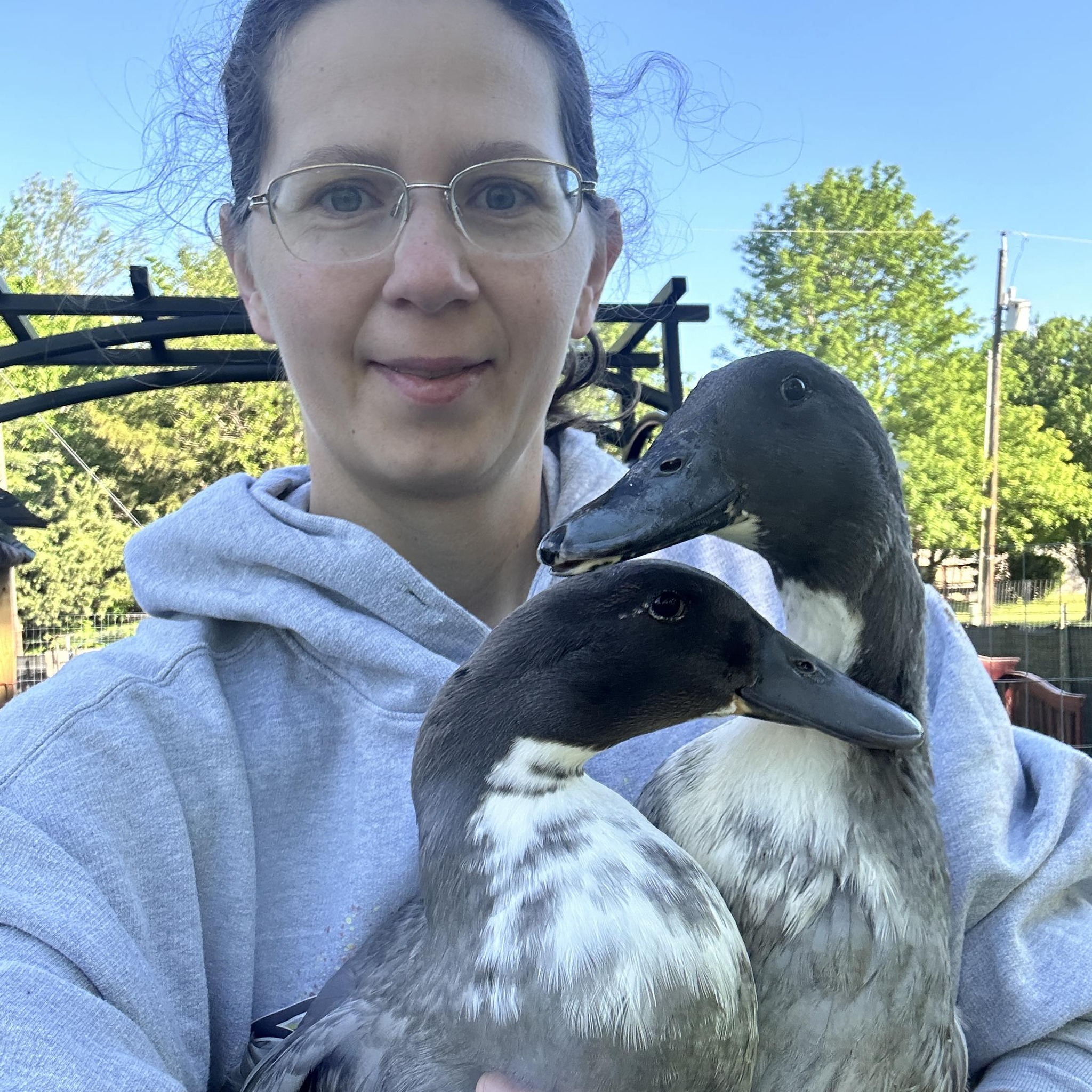
HEY, I’M Megan…
My husband and I are the proud owners of Lucky Duck Acres. While we both have full-time jobs in town that sometimes make it challenging to get everything done, homesteading is all about making the most of what you have. That’s why we started this blog—to inspire you to begin your own homesteading journey from wherever you are, even if you live in town.
If you had told me five years ago that I’d own a small-town home on just half an acre, complete with ducks and rabbits, I would have laughed and called it impossible. Yet today, I can’t imagine life without our feathered and furry little family, or turning our tiny piece of land into something we truly love.
Along the way, our homesteading adventure has grown to include farmers markets. We bring our extra duck eggs to market, and I bake sourdough bread and sweet treats that often sell out before the day is over! It’s been an incredible journey, and we’re excited to see what God has in store for us next.
Because of interest from market visitors, I’ve also started offering virtual sourdough classes via Zoom—including both prerecorded lessons and live one-on-one sessions.
It’s another way to share our passion and help others bring a little homesteading magic into their own homes.


JOIN MY MAILING LIST
Inspiring you to start your homestead journey from where you are, with what you have, your way.
info@luckyduckacres.com
Newsletter
Subscribe now to get updates.
Created with © systeme.io